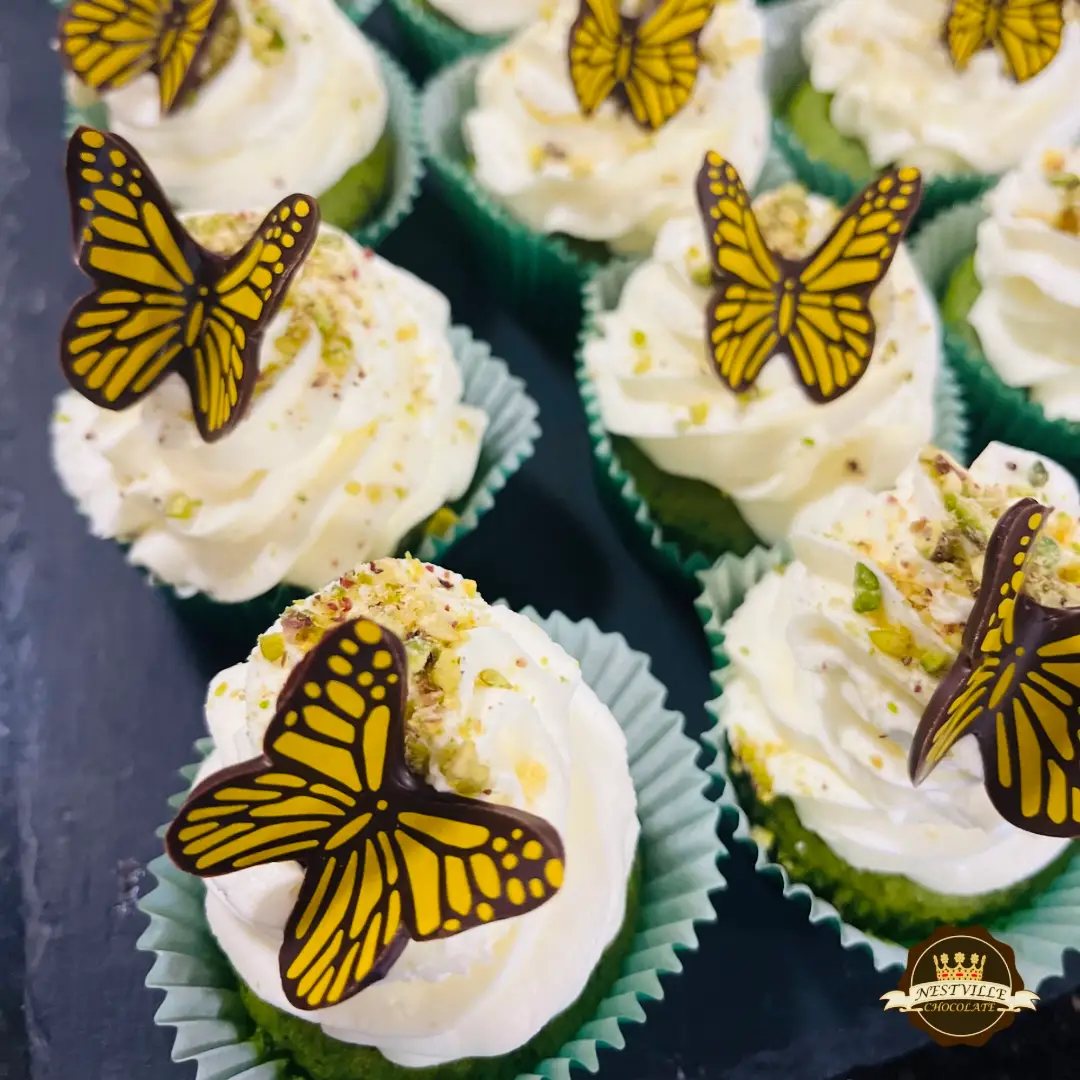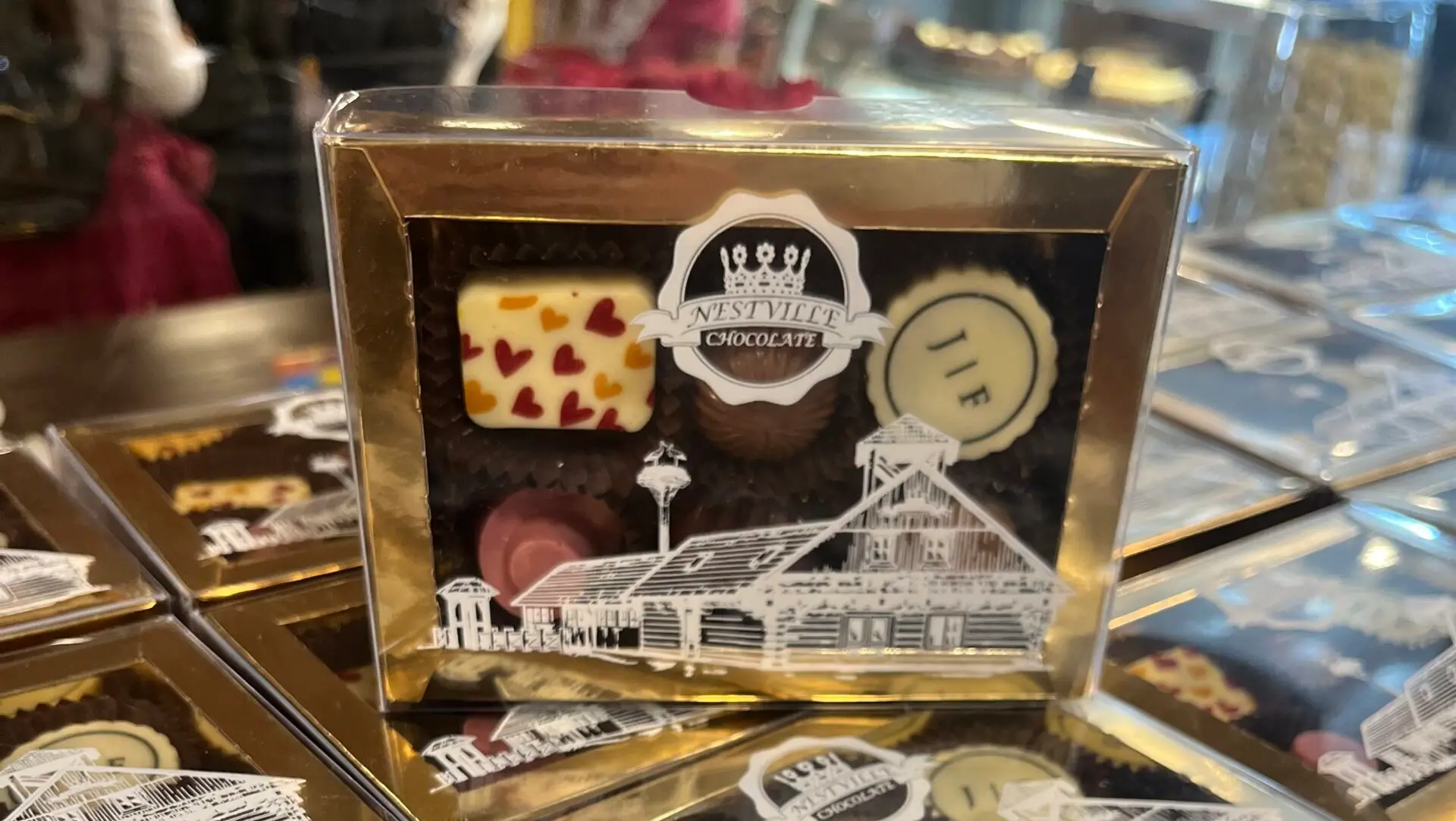


It is delicious, soft, melting on the tongue – that is our CHOCOLATE. Today I will show you how such chocolate is made.
Harvesting cocoa beans
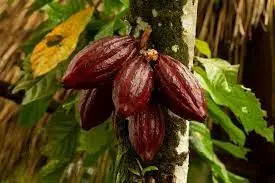
Chocolate is made from the fruit of the cacao tree, Theobroma cacao, which grows on trees in tropical regions. They are shaped like a small rugby ball and contain cocoa beans, which when raw are covered in a white liquid. The fruit is harvested twice a year.
Fermentation
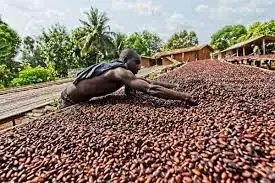
The cocoa beans are left to ripen for several days under banana leaves in the natural heat of the tropics, where a fermentation process takes place, where the pulp on the cocoa beans dissolves and drains. The cocoa beans are then spread out on mats and dried for several days. When the moisture content is low enough, they travel to factories where they are roasted and dehulled.
Cleaning, roasting and grinding
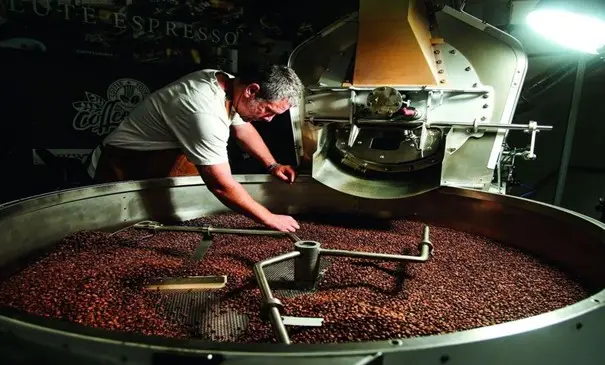
The beans are poured into a special machine equipped with a system of brushes, magnets, a net and an air stream that suck out small impurities. The secret of good chocolate also lies in the roasting. The beans are roasted for about 30 minutes at a temperature of 130-150 degrees. Once the beans have cooled, the unnecessary skin is separated from the kernels by the pressure of rollers. Finally, the kernels are roughly chopped. The chopped kernels are ground so that they can later be divided into two basic ingredients – cocoa butter and cocoa powder.
Cocoa powder and cocoa butter
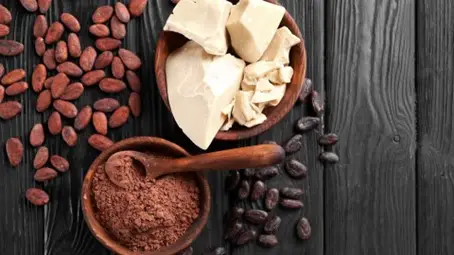
Cocoa mass also contains cocoa butter and cocoa powder. First, the valuable fat is separated from the cocoa mass, heated to 80-90 degrees Celsius and then poured into a hydraulic press. After pressing the butter, a clean residue remains from the cocoa mass, which is ground into a fine cocoa powder, which we know as COCOA.
Conching
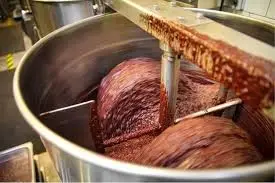
During conching, the chocolate mass is processed in huge mixing machines, where it is aerated and tempered. The semolina mass is transformed into a shiny, slightly liquid substance. Conching also removes bitterness and unwanted aromatic substances, softening and harmonizing the chocolate.
Tempering
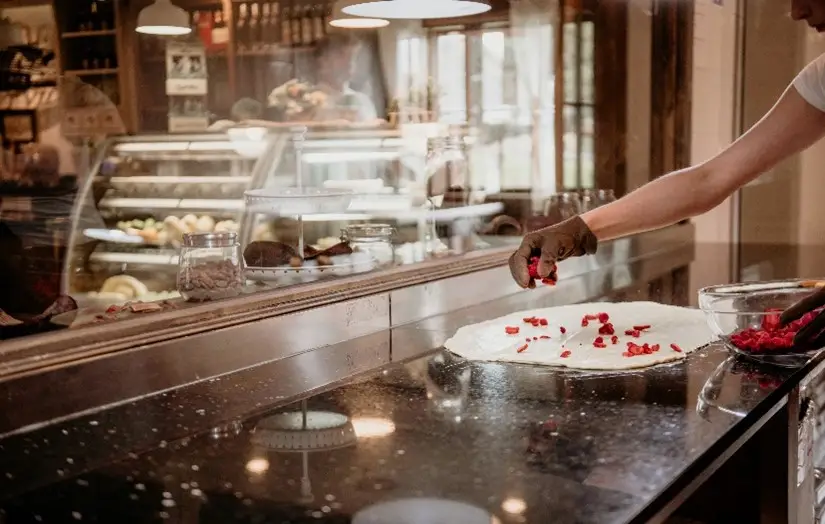
The final step is tempering the chocolate, which involves heating and then cooling it to create the correct crystalline structure of the cocoa butter. The chocolate is then heated to a precise temperature, which depends on the type of chocolate, and poured into molds, where it hardens and is ready to be consumed.
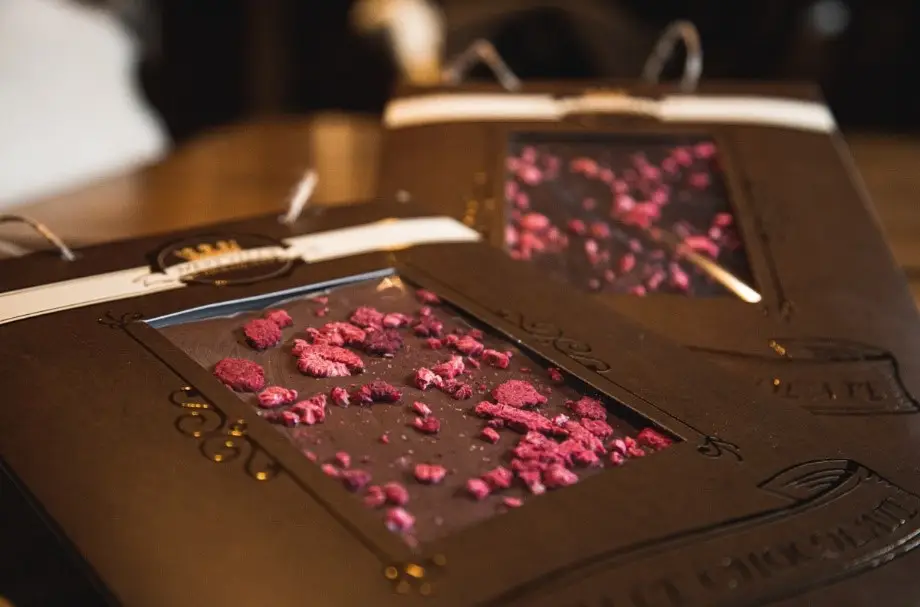
If you are interested in learning more about chocolate, I invite you to our Nestville Chocolate on February 18-19, 2023. Where we will introduce you to the history of chocolate, the production process, and you will taste up to 4 types of chocolate and finally make and decorate your own chocolate.